Dispute Visibility
Gain clearer insight into dispute activity, chargeback trends, and transaction-related issues across payment operations.
Minimise losses, recover revenue and manage disputes efficiently with Luup's chargeback resolution solutions.
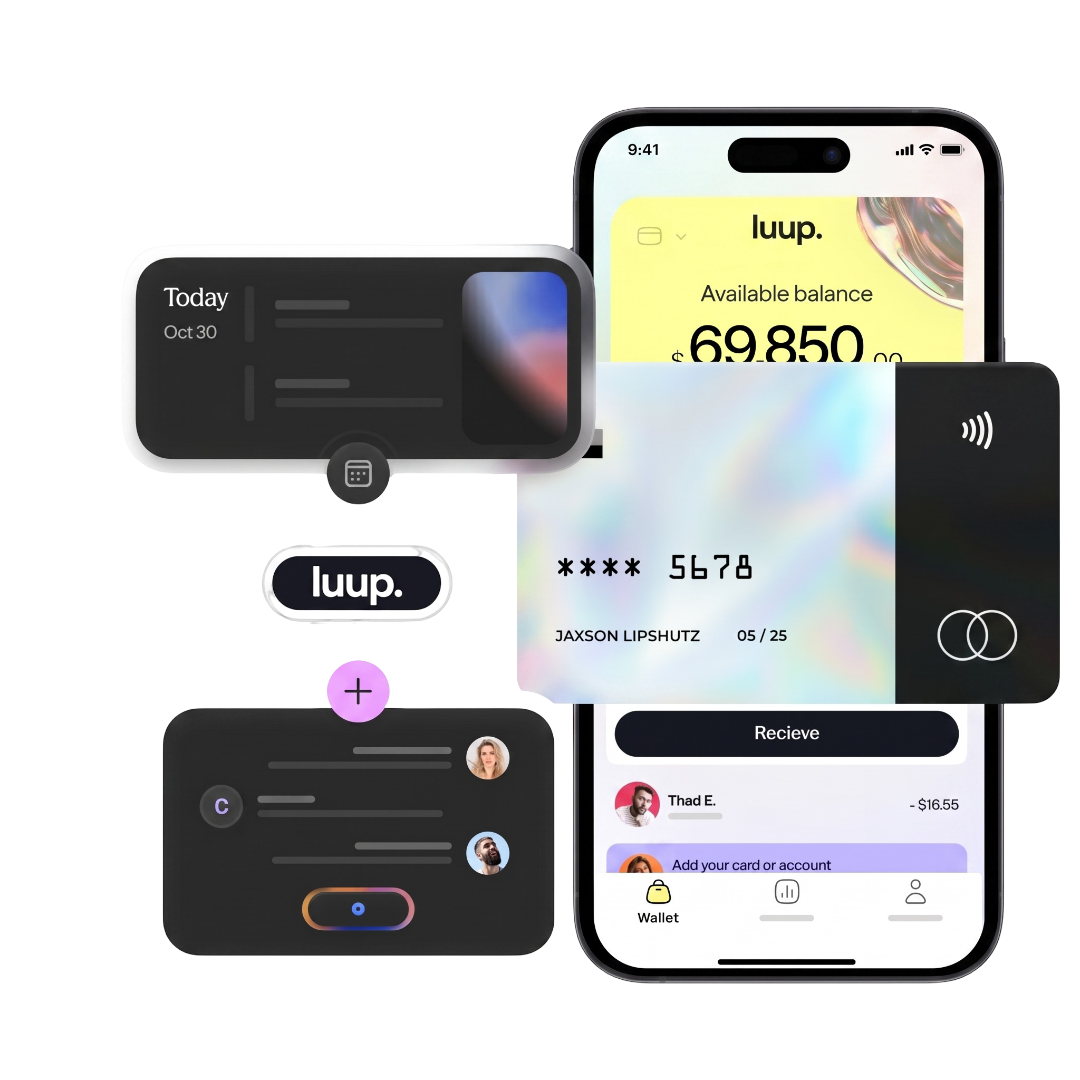
Powering Global Payment Networks


Dispute and chargeback management with clarity and control.
Luup helps businesses improve operational handling around disputes, revenue protection, and chargeback response processes through a data-driven approach.
Gain clearer insight into dispute activity, chargeback trends, and transaction-related issues across payment operations.
Support more organised workflows for managing disputes, documentation, and response procedures.
Help reduce unnecessary revenue leakage through stronger chargeback management and operational oversight.
Create more efficient handling processes designed to improve response coordination and operational consistency.
Chargeback resolution is the process of handling disputed transactions between merchants and customers. It involves reviewing claims, providing evidence, and determining transaction validity to recover lost revenue and maintain payment security.
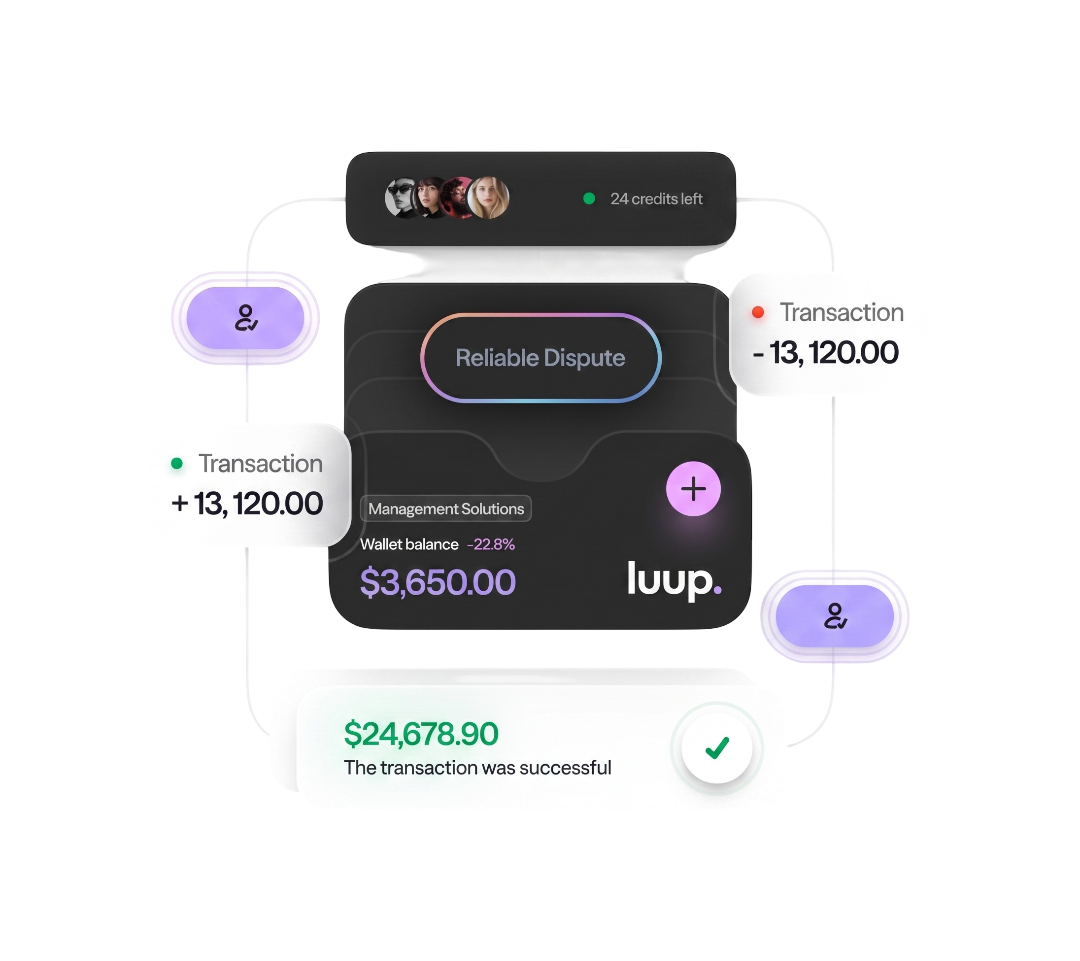
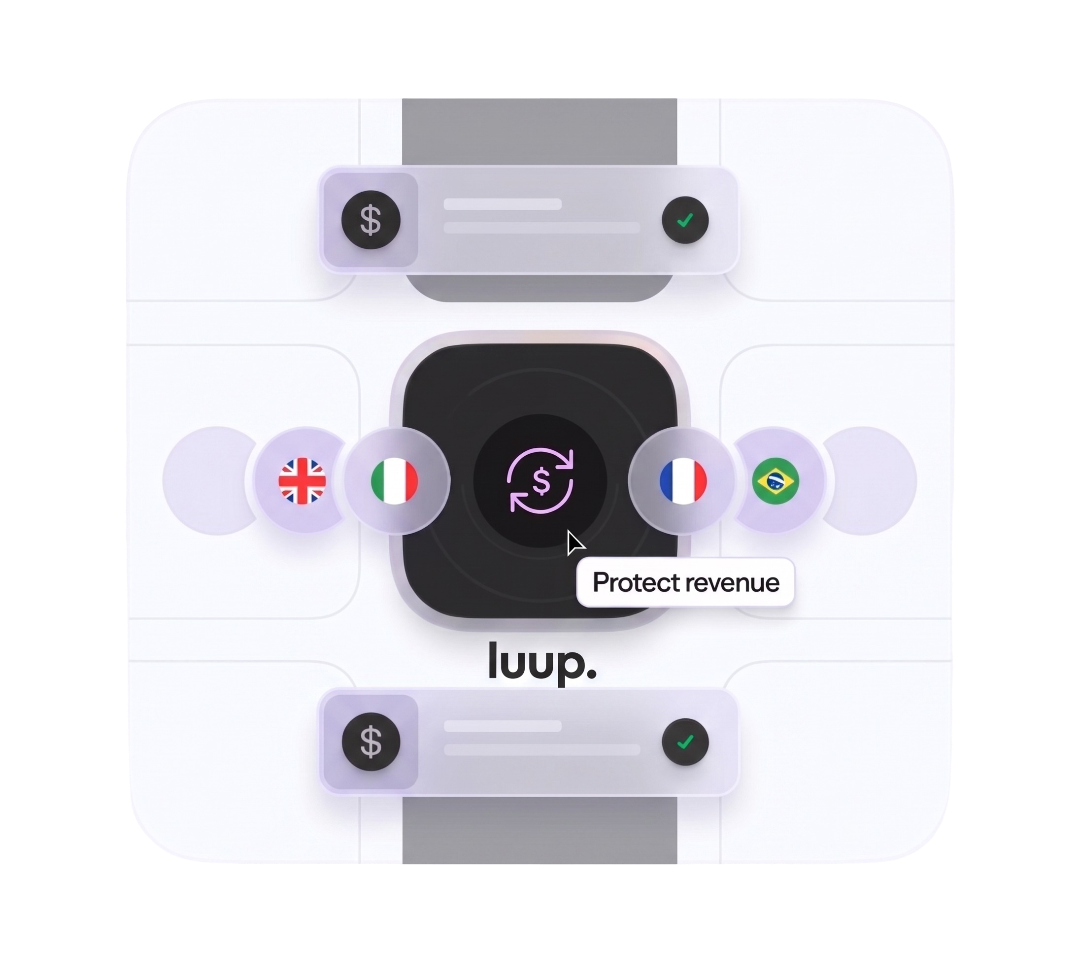
Luup helps businesses stop disputes before they escalate, saving time and revenue. Real-time tracking and chargeback representation enable fast responses and regulatory compliance.
Identify and stop disputes before they escalate.
Monitor and respond to claims in real time.
Recover revenue by challenging invalid disputes.
Minimise risks with proactive fraud detection.
Turn lost disputes into recovered funds.
Everything You Need to Know About Chargeback Resolution.
Businesses handle chargebacks by either accepting them or challenging them through representment. This involves gathering transaction records, proof of delivery, and customer communications to prove the transaction was legitimate and submit it to the acquirer.
Dispute management centralizes all transaction alerts and claims into a unified dashboard, enabling faster response times. By addressing disputes early, businesses can prevent them from becoming official chargebacks, reducing penalty fees and processor warnings.
Chargeback representment is the legal process where a merchant re-submits a transaction to the card issuer with compelling evidence to prove that a chargeback is invalid. This helps merchants recover revenue lost to friendly fraud or billing errors.
Chargeback prevention tools use real-time transaction monitoring and pre-dispute alerts (such as Verifi and Ethoca) to identify suspicious activities. This allows merchants to issue refunds immediately before a dispute turns into a costly chargeback.
Chargeback fees are administrative fees charged by payment processors for handling disputes, ranging from $15 to $100 per transaction. You can avoid them by using fraud prevention filters, responding promptly to disputes, and using auto-resolve services.
It automates the evidence gathering process, reduces manual labor, and ensures standard compliance across card networks. This saves operational hours, optimizes representation workflows, and protects card processing relationships.
Mitigation keeps your chargeback-to-transaction ratio within the limits defined by card networks (typically under 1%). Exceeding these thresholds can lead to heavy penalties, increased processing fees, or termination of your merchant account.
High-risk sectors such as e-commerce, travel, gaming, digital goods, and subscription-based businesses are heavily affected by friendly fraud, unauthorized transactions, and disputes, making robust dispute management crucial.
Yes. Recovering funds through automated representment directly restores lost transaction revenue back to your bottom line, directly improving net profit margins that would otherwise be lost to friendly fraud.
You can integrate Luup's dispute resolution tools via our unified API or plug-and-play SDKs. Our platform connects directly with card networks and pre-dispute networks to begin shielding your business instantly.
Minimise revenue loss, manage disputes efficiently, and gain clearer insight into transaction dispute trends.